Guarding Recurring Revenue: API-Powered Fraud Shields in Subscription Gateways
Guarding Recurring Revenue: API-Powered Fraud Shields in Subscription Gateways
The Subscription Boom and Its Hidden Risks
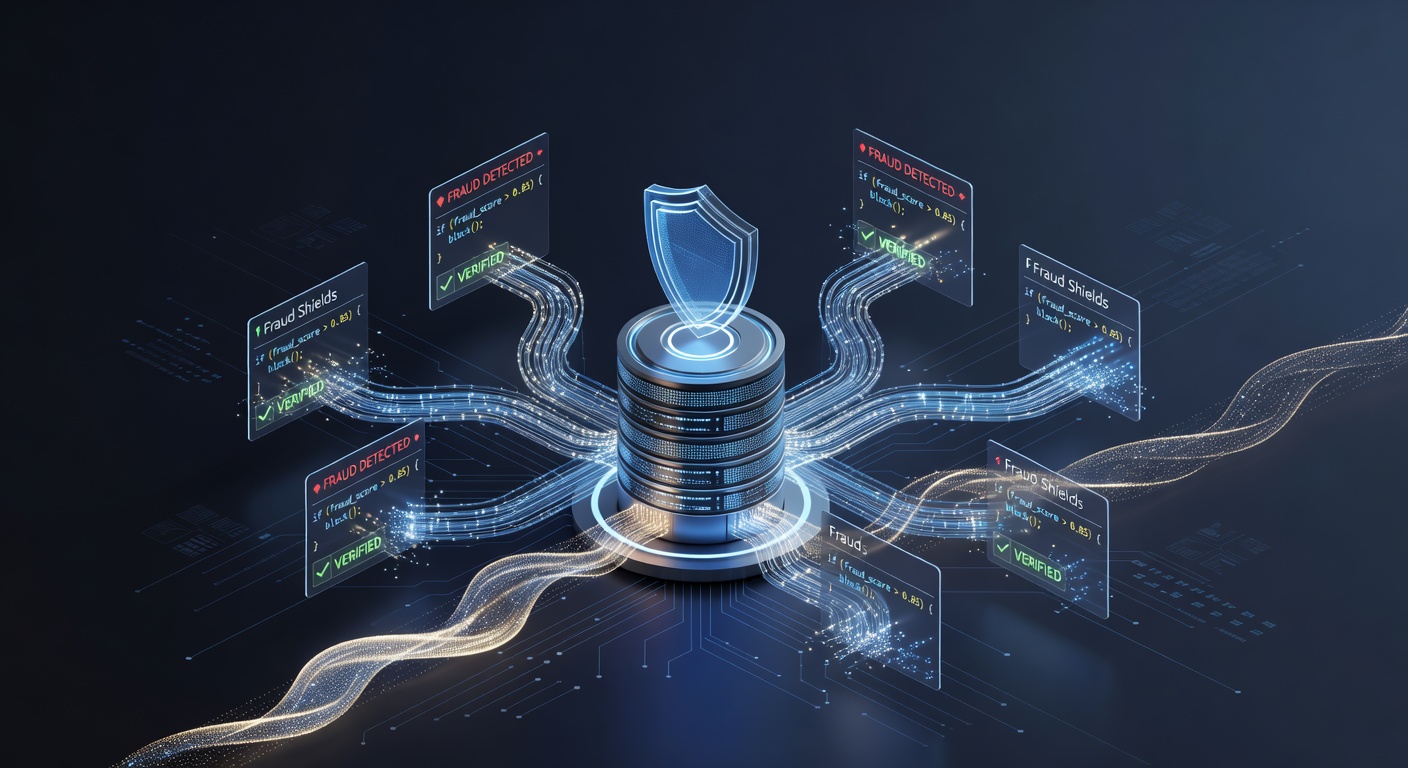
Subscriptions power everything from streaming services to software-as-a-service platforms these days, and data from Statista reveals the global subscription economy hit $1.5 trillion in 2023, with projections climbing toward $3 trillion by 2028; yet this steady revenue stream attracts sophisticated fraudsters who target recurring billing cycles, exploiting delays in detection that traditional systems often miss. Fraudsters favor subscriptions because charges recur automatically, so one compromised card can drain accounts over months before users notice, and observers point out how account takeovers and friendly fraud—where legitimate customers dispute valid charges—erode up to 5% of revenue in high-risk sectors like digital goods, according to figures from LexisNexis Risk Solutions.
But here's the thing: payment gateways handle this volume through API integrations that act as dynamic shields, scanning transactions not just at signup but across every renewal; these tools deploy machine learning models trained on billions of data points, flagging anomalies like sudden IP changes or velocity spikes in signup attempts from the same device. Take streaming services, where one breach exposed millions of accounts in 2024, leading providers to layer API-driven defenses that reduced chargebacks by 40%, as reports from industry analysts indicate.
Unpacking the Fraud Landscape in Recurring Billing
Friendly fraud tops the list in subscriptions, with customers forgetting charges or claiming unauthorized activity after enjoying the service, while true fraud involves stolen card details funneled through mule accounts; research from the Australian Competition and Consumer Commission (ACCC) highlights how scammers set up fake trials that auto-renew at inflated rates, costing Australians over AUD 100 million annually in disputes. Account takeover fraud surges too, as hackers use credential stuffing to hijack profiles and alter payment methods, and data shows subscription platforms face 30% higher ATO rates than one-off merchants because recurring auths bypass full CVV checks each time.
And it doesn't stop there: promo abuse floods gateways with discounted trials from virtual cards, whereas triangulation schemes route payments through complicit third parties; experts who've analyzed patterns note that subscription fraud losses reached $12 billion globally in 2024, per Juniper Research estimates, prompting gateways to evolve beyond static rules into API ecosystems that query external risk signals in milliseconds. What's interesting is how regional variations play out—EU merchants grapple with PSD2 strong customer authentication mandates that add friction to legit renewals, while North American platforms lean on network tokenization to vault expired cards seamlessly.
How API-Powered Shields Fortify Subscription Gateways
At the core, these shields operate via RESTful APIs embedded in the gateway stack, where each transaction triggers calls to fraud engines that aggregate device intelligence, behavioral biometrics, and payment network data before approving or blocking; gateways like Stripe or Adyen expose endpoints for real-time decisions, allowing merchants to customize rules such as geo-velocity limits that reject logins from distant locations within hours of signup. Machine learning models process this influx, scoring risks from 0-100 based on patterns like email reputation or browser fingerprint mismatches, and high scores route to 3DS challenges or outright declines.
Turns out integration is straightforward—developers webhook events for post-analysis, enabling closed-loop learning where blocked fraud feeds back into models for sharper predictions; one study from MIT researchers uncovered how API orchestration cut false positives by 25% in subscription flows, as gateways chain services like IP geolocation from MaxMind with card BIN checks from networks. Velocity monitoring stands out too, capping trials per IP or device fingerprint, which has proven vital against bot-driven abuse waves that spike during promotions.
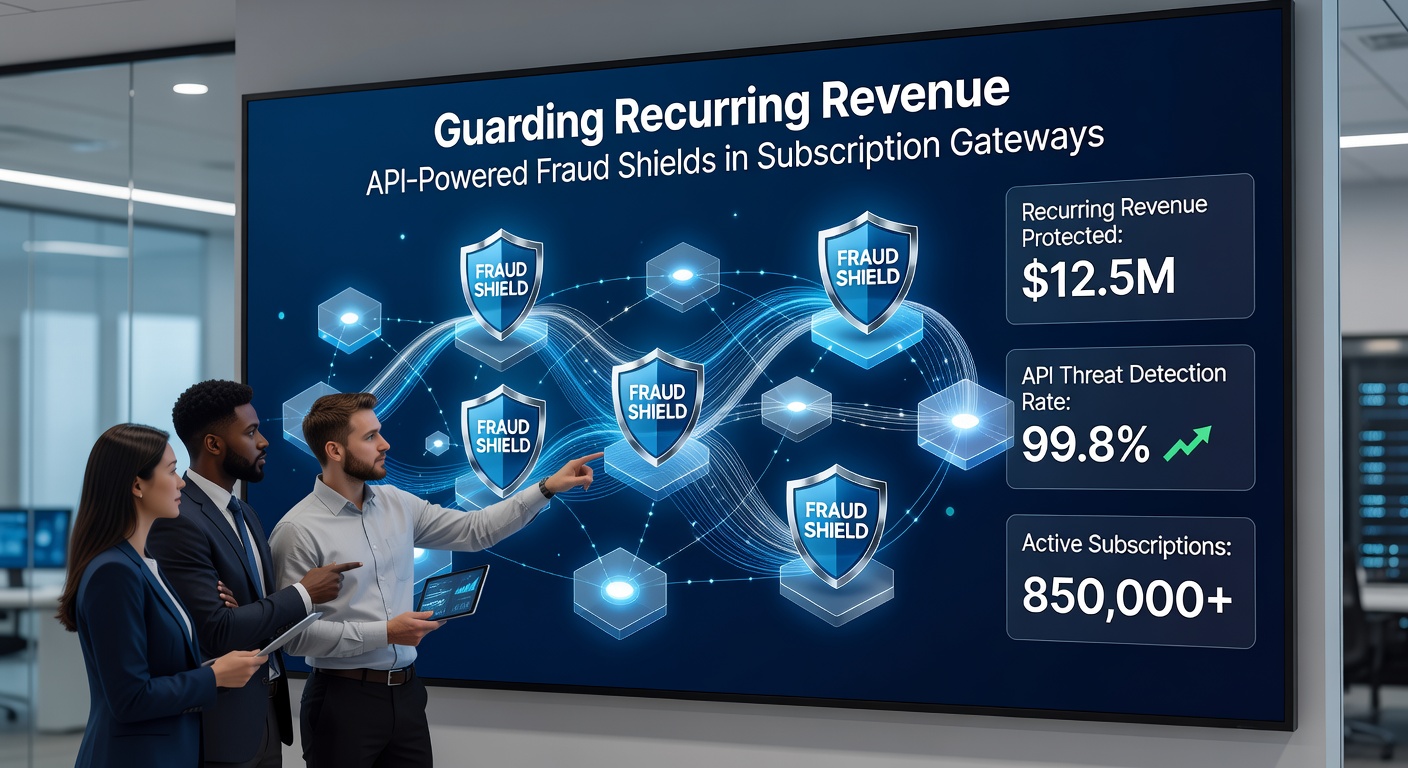
Device fingerprinting adds another layer, capturing canvas rendering, font lists, and hardware signals to create persistent IDs that persist across sessions; even if fraudsters swap cards, the fingerprint unmasks patterns, and gateways now support network tokens—server-side credentials that refresh automatically without user intervention, slashing declines from expired instruments by up to 70%, data from Visa indicates. Behavioral analysis watches for red flags like logins at odd hours or rapid profile changes, while consortium data-sharing APIs pool anonymized intel across merchants, amplifying detection of emerging threats like synthetic identities crafted via AI-generated docs.
Real-World Wins: Case Studies in Action
Consider a major SaaS provider hammered by friendly fraud in 2023; they integrated an API shield from Sift that cross-referenced renewal disputes with usage logs, dropping chargeback ratios from 2.5% to 0.8% within quarters, and internal metrics showed revenue recovery jumping 15% as legit customers faced fewer interruptions. Gaming subscriptions tell a similar tale—one platform battling promo abuse deployed gateway APIs for BIN blocking and email validation, halting 90% of suspicious trials overnight, as their post-mortem revealed.
Yet challenges persist: over-reliance on scores can snag high-value customers traveling abroad, so gateways offer merchant dashboards for overrides, and A/B testing refines thresholds; observers note how a fitness app chain used API-driven dunning—automated retries with fraud checks—to reclaim 20% of failed recurrings that competitors wrote off. In media streaming, where churn runs high, shields now predict fraud pre-renewal by analyzing binge patterns against payment velocity, preserving MRR without alienating users.
Regulatory Tailwinds and Tech Horizons
Regulators push harder too: the U.S. Federal Trade Commission enforces "Click to Cancel" rules since 2024, mandating easy terminations that fraudsters exploit, while Canada's Financial Consumer Agency of Canada warns of rising subscription traps in its 2025 advisories; by April 2026, EU's PSD3 draft promises enhanced SCA exemptions for low-risk recurrings, calibrated via API risk signals, which gateways are already prototyping to smooth approvals. Australian reforms under ACCC target dark patterns in trials, requiring transparent billing APIs that log consents immutably.
Looking ahead, quantum-resistant encryption bolsters API payloads against future threats, and edge computing pushes decisions to CDNs for sub-50ms latencies; blockchain oracles emerge for decentralized risk scoring, where nodes validate transactions peer-to-peer, and federated learning lets models train collaboratively without sharing raw data. Projections from Gartner forecast API fraud suites dominating 80% of gateways by 2027, as subscription volumes double amid economic pressures that embolden crooks.
Conclusion
API-powered fraud shields stand as indispensable guardians for subscription gateways, weaving real-time intelligence into the fabric of recurring revenue streams; they tackle friendly fraud, ATOs, and abuse head-on through fingerprinting, ML scoring, and network synergies that preserve trust and profits. As threats evolve—with PSD3 looming in April 2026 and global regs tightening—merchants who embed these APIs early position themselves ahead, turning potential losses into fortified growth; data underscores the payoff, with adopters reporting 30-50% fraud drops alongside higher retention, proving the system's resilience in an era where every renewal counts.